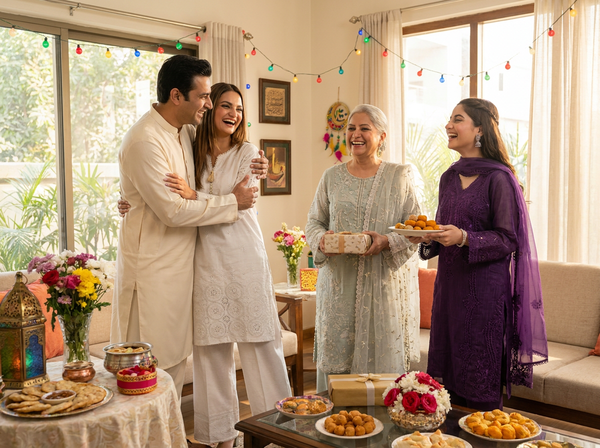

South Asian ethnic fashion is not one thing. It is a living, breathing tradition shaped by centuries of culture, geography, and community — and it looks different depending on whether you are shopping for an Eid dawat in Texas, a mehndi night in New Jersey, or a casual family gathering in California. This guide breaks it all down: garment types, silhouettes, draping styles, regional differences, and what fabrics to look for. Consider it your go-to reference whenever you are navigating the beautiful, sometimes overwhelming world of desi fashion.
What Is South Asian Ethnic Wear?
South Asian ethnic wear refers to traditional and semi-traditional clothing from the Indian subcontinent — primarily India, Pakistan, and Bangladesh, with strong influences also from Sri Lanka and Nepal. In the South Asian diaspora in the USA, these styles are worn for a wide range of occasions: religious celebrations like Eid and Diwali, weddings and mehndi functions, formal dinner gatherings (dawats), and increasingly, everyday wear.
What makes South Asian fashion distinct from Western fashion is the way it is constructed and worn. Many garments are draped rather than stitched, use specific fabrics with cultural significance, and combine multiple pieces — a top (kurta or blouse), a bottom (salwar, pant, sharara, or lehenga skirt), and a draped layer (dupatta or saree pallu). The visual vocabulary of silhouettes, embellishments, and textiles varies dramatically by country, region, and community.
For South Asian women in America, ethnic wear carries emotional weight beyond aesthetics. It is a connection to home, to family, to identity. Understanding the vocabulary of these garments — what they are called, where they come from, and when to wear them — is part of being able to dress with intention and confidence.
The Main Garment Types Explained
South Asian ethnic wear for women broadly falls into four categories: suits (salwar kameez), sarees, lehengas, and shararas/ghararas. Each has its own structure, occasion range, and styling tradition.
Salwar Kameez (The Suit)
The salwar kameez is the most widely worn ethnic garment across South Asia and the South Asian diaspora. It consists of a kameez (the top, commonly called a kurta), a salwar or pant (the bottom), and usually a dupatta (the scarf/drape). In Pakistan, it is the national dress and is worn daily — for work, home, celebrations, and prayer. In India, it is common across all regions, though styling varies significantly by state and community.
The term "Pakistani suit" refers specifically to the style of salwar kameez popularised by Pakistani fashion houses — typically longer kurta lengths (knee to calf), straight or wide-leg pants, and heavy embellishment on the neckline, sleeves, and borders. "Indian suits" tend to vary more by region and are not a single defined aesthetic.
Saree
The saree is a single unstitched length of fabric — typically 5.5 to 9 metres — draped around the body in various styles. It is worn with a fitted blouse (choli) and an underskirt (petticoat or inskirt). The saree is iconic across India and Bangladesh, and is less common but still worn in Pakistan, particularly in Sindhi and urban communities. Draping styles differ by region (see the regional section below), and the fabric can range from everyday cotton to heavy Banarasi silk for weddings.
A well-draped saree is considered one of the most elegant silhouettes in South Asian fashion. It emphasises the waist, falls gracefully, and can be styled modestly or more fitted depending on the blouse construction and draping method.
Lehenga Choli
The lehenga choli is a three-piece ensemble consisting of a heavily flared skirt (lehenga), a fitted short top (choli or blouse), and a dupatta. It is primarily bridal and semi-formal wear, popular across North India, Pakistan, and the diaspora for wedding functions, engagement ceremonies, and Eid celebrations. Lehengas are characterised by their dramatic flare — achieved through multiple layers of fabric and petticoats — and are typically made in heavier materials like velvet, silk, and organza with extensive embroidery or embellishment.
Sharara & Gharara
Shararas and ghararas are wide-legged, divided-skirt bottoms traditionally worn with a short kurta and dupatta. Both styles originate from Mughal court fashion and are most closely associated with Lucknow (Awadhi culture) and Hyderabad in India, and with formal Pakistani occasion wear.
The sharara is flared from the hip all the way to the hem — giving a very dramatic, voluminous look. The gharara is fitted from the waist to just below the knee, then flares out dramatically at the knee joint, creating a distinctive wide bell at the bottom. Both are primarily occasion wear and are rarely seen in everyday contexts.
Kurta Silhouettes: A Visual Vocabulary
Within the salwar kameez category, the silhouette of the kurta (the top) makes a significant difference to the overall look and how the outfit is typically classified. Here are the most common silhouettes you will encounter when shopping for South Asian ethnic wear:
Straight Cut (Straight Kurta)
The most common and versatile silhouette. A straight-cut kurta falls vertically from the shoulder to the hem with minimal flare. It works on most body types, is easy to layer, and is used for both casual and formal styles. Length can range from hip-length (more casual) to calf or full length (more formal). Side slits at the hem are common to allow for ease of movement. This silhouette is the workhorse of everyday Pakistani and Indian ethnic wear.
A-Line Kurta
Flares gradually from the chest or waist to the hem, creating a soft A-shape. Flattering on most figures, particularly for women who prefer a relaxed fit through the hips. A-line kurtas tend to feel more feminine and slightly dressier than a straight cut. They are common in both Pakistani printed lawn suits and Indian festive wear.
Anarkali
The Anarkali is named after the legendary dancer Anarkali of Mughal lore and is characterised by its dramatically flared skirt attached at the fitted bodice — essentially a gown-length kurta with a built-in flare. True Anarkalis fall to floor length or near-floor length, creating a regal, princess silhouette. Semi-Anarkalis fall to calf length and are more practical for less formal occasions. The fitted bodice and dramatic skirt make this silhouette inherently modesty-friendly and visually striking.
Kaftan / Flowy Tunic
Wider and more relaxed than a straight cut, with a loose drape from the shoulders. Kaftan-style kurtas are more common in casual and resort-style collections, and in certain Gulf-influenced Pakistani fashion. They prioritise comfort and modesty without structure.
High-Low / Asymmetric Hemline
A contemporary silhouette in which the front hemline is higher (typically at the hip or knee) and the back is longer (mid-calf to full length). This style is popular in Pakistani designer pret collections and modern Indian fusion wear. It adds visual interest while maintaining coverage.
Floor-Length / Maxi Kurta
A full-length kurta that reaches the floor, often worn with slim pants or churidar to create a clean silhouette. This is the dressiest version of the kurta silhouette and is commonly paired with heavy embellishment for formal occasions. Common in Pakistani formal pret and Indian festive wear.
Saree Draping Styles by Region
The saree is one garment — but how it is draped changes everything about how it looks. There are over 80 documented regional draping styles across South Asia, but a handful are most commonly worn and recognised in the diaspora:
Nivi Style (Most Common)
Originating from Andhra Pradesh in South India, the Nivi drape has become the default "standard" saree style across India and the diaspora. The fabric is tucked into the petticoat at the waist, pleated at the front, and the pallu (decorative end) is draped over the left shoulder. The pleats are fanned out at the front. This style works with most saree fabrics and is the draping style most people learn first.
Bengali Style
Popular in West Bengal and Bangladesh, the Bengali drape is distinct for having no front pleats. The pallu is draped from the right side, wrapped around the back, and brought forward over the left shoulder, then spread wide. The result is a more open, flowing look that showcases the saree border and fabric. Bengali style is common for cultural celebrations like Durga Puja and Pohela Boishakh.
Gujarati / Seedha Pallu Style
In the Gujarati style, the pallu is draped forward over the right shoulder (the reverse of the Nivi style) and pinned at the front, showcasing the embroidered or printed border prominently on the chest. This creates a very neat, contained silhouette and is common in Gujarati and Rajasthani communities.
Maharashtrian Style
The Maharashtrian nauvari (nine-yard) saree is draped like a dhoti — passed between the legs and tucked at the back — creating a bifurcated silhouette that allows for ease of movement. It is cultural dress for Maharashtrian celebrations and festivals and is rarely worn outside those contexts.
South Indian / Madisar Style
Used by Tamil Brahmin women, the Madisar involves a longer saree (nine yards) wrapped in a complex style that covers both legs separately, similar to a pant silhouette. It is ceremonial and tied to specific religious and community occasions.
Pinned / Modern Drape
A practical adaptation popular among diaspora women — the saree is draped in the Nivi style but secured with pins at the shoulder and waist, or pre-stitched into a pleated petticoat attachment. This gives the look of a traditional drape without needing to re-drape the fabric, and is popular for events where you need to move freely.
Regional Style Differences Across South Asia
No two regions dress the same. Here is a breakdown of the most distinct regional fashion traditions and how they shape the ethnic wear market in the USA:
Pakistani Fashion
Punjab, Sindh, KPK, Urban Karachi/LahorePakistani fashion is globally recognised for its embroidered suits, printed lawn collections, and formal pret wear. The dominant garment is the salwar kameez.
- Lawn suits: light, breathable, floral and geometric prints for summer
- Karahi (crochet) and chikankari embroidery on formal pieces
- Heavy embroidered formals in velvet and organza for weddings
- Long kurta lengths: knee to full length are standard
- Dupatta: wide, often heavily bordered, draped over one or both shoulders
- Wide-leg and tulip trousers popular in contemporary styles
Punjabi Indian Fashion
Punjab, Haryana, Delhi NCRNorth Indian Punjabi fashion is exuberant, colourful, and deeply tied to wedding culture and festivals like Lohri, Baisakhi, and Diwali.
- Phulkari embroidery: vibrant, geometric floral patterns on fabric
- Patiala salwar: extremely gathered, balloon-style pants, worn short
- Anarkali suits very popular for weddings and formal occasions
- Bright, saturated colours: fuchsia, royal blue, mustard, emerald
- Lehenga choli central to wedding events
- Chunni (dupatta) often styled casually or omitted for everyday wear
Lucknowi / UP Fashion
Uttar Pradesh, Awadh regionLucknow is the home of chikankari — delicate white-on-white hand embroidery — and of the gharara, one of the most elegant garments in the Mughal tradition.
- Chikankari embroidery: intricate, restrained, traditionally white thread on pastel fabric
- Gharara and sharara: formal occasion wear from this tradition
- Sheer fabrics: muslin, organza, georgette
- Muted, sophisticated palette: ivory, blush, dusty rose, sage
- Intricate zardozi (metallic thread) embroidery for formals
Gujarati Fashion
Gujarat, RajasthanGujarati and Rajasthani fashion is defined by mirror work, tie-dye (bandhani), and intensely jewel-toned fabrics. The saree tradition here is strong.
- Bandhani: hand-tied resist dyeing in vivid patterns
- Ghaghra choli (lehenga-style) common for Navratri and weddings
- Mirror embroidery (shisha work) used extensively
- Seedha pallu saree draping style specific to this region
- Block print fabrics in earthy and vivid tones
Bengali Fashion
West Bengal, BangladeshBengali fashion is associated with the saree above all else. The Jamdani and Muslin traditions are UNESCO-recognised weaving arts from Bangladesh.
- Tant (handloom cotton) sarees for everyday wear
- Jamdani: fine muslin saree with geometric or floral motifs woven in
- Kantha stitch: running stitch embroidery on fabric, colourful and textured
- Red-and-white colour combination is culturally significant (bridal)
- Salwar kameez also widely worn in Bangladesh, with lighter embellishment
South Indian Fashion
Tamil Nadu, Kerala, Andhra Pradesh, KarnatakaSouth Indian fashion is defined by silk weaving traditions — each state has its own distinctive silk — and by the temple jewellery aesthetic.
- Kanjivaram (Kanchipuram) silk: heavy, intensely coloured with zari borders
- Kerala kasavu: cream or white saree with gold zari border, worn for Onam
- Pochampally and Ikat weaves from Andhra Pradesh and Telangana
- Pavadai davani: two-piece draped set for younger women and girls
- Salwar kameez popular in urban South India but often in lighter fabrics
Fabric Guide: What Different Fabrics Feel Like and When to Wear Them
Fabric choice is one of the most important decisions in South Asian ethnic wear because it determines drape, weight, formality level, and comfort. The same silhouette in lawn versus velvet is an entirely different outfit for an entirely different occasion.
| Fabric | Feel & Properties | Occasion Level | Most Common In |
|---|---|---|---|
| Lawn | Ultra-light, breathable, soft cotton. Prints beautifully. Minimal drape — holds its shape. Comfortable in heat. | Casual to semi-formal | Pakistani summer suits, printed collections |
| Chiffon | Sheer, lightweight, floaty. Drapes beautifully and moves with the body. Soft against skin. Often layered over a lining. | Semi-formal to formal | Dupattas, formal kurtas, sarees |
| Organza | Semi-sheer with a crisp, structured body. Holds pleats and silhouettes well. Slightly stiff feel. Elegant shimmer. | Formal to bridal | Pakistani formals, lehengas, sarees |
| Georgette | Slightly heavier than chiffon, opaque or semi-opaque. Textured matte surface. Drapes softly. | Semi-formal to formal | Kurtas, sarees, anarkalis |
| Silk (Raw / Pure) | Luxurious, heavy drape. Smooth and lustrous. Temperature-regulating. Multiple varieties (Banarasi, Kanjivaram, Dupion). | Formal to bridal | Sarees, lehengas, Eid formal wear |
| Velvet | Rich, heavy, warm. Deep colour saturation. Not breathable — winter and indoor wear only. | Formal to bridal (winter) | Lehengas, formal Pakistani suits |
| Cotton / Cambric | Comfortable, breathable, durable. Takes prints and embroidery well. More structured than lawn. | Casual to semi-formal | Indian daily wear, Pakistani unstitched |
| Net / Tissue | Sheer mesh fabric used primarily as an overlay or for dupattas. Adds volume and texture without weight. | Formal to bridal | Dupatta, blouse overlays, lehenga layers |
Shop Modest 3-Piece Suits — Delivered Across the USA
She Wears Desi offers ready-to-wear Pakistani and Indian-style suits in premium lawn, chiffon, and organza. No overseas shipping, no sizing nightmares.
Browse the CollectionWhat to Wear and When: An Occasion Guide
One of the most common questions South Asian women in the USA face is what counts as "appropriate" for a specific event. The general principle: the more formal and celebratory the event, the heavier the fabric, the richer the embellishment, and the longer the silhouette.
Eid (Eid-ul-Fitr / Eid-ul-Adha)
Eid is one of the most important occasions for ethnic dressing in the South Asian Muslim community. For Eid prayer, women typically choose modest, full-coverage outfits in celebratory colours — pastel or jewel tones are both appropriate. For Eid dawat (afternoon or evening gatherings), the outfit can be more heavily embellished. A 3-piece embroidered lawn or chiffon suit is a classic Eid choice. Lehengas and formal Anarkalis are also common for evening Eid celebrations.
Wedding Functions (Mehndi, Baraat, Walima)
South Asian weddings typically have three or more separate events with distinct dress codes. The mehndi tends to be colourful and festive — yellows, greens, and oranges are traditional. The baraat (main wedding ceremony) calls for the most formal outfits — heavy embroidered lehengas, formal anarkalis, or silk sarees. The walima (reception) is typically semi-formal, allowing for a wider range of silhouettes and lighter embellishment.
Dawat (Dinner Gathering)
A dawat, or formal home gathering, occupies the space between casual and wedding-level formal. A printed chiffon or georgette suit, a simple embroidered cotton suit, or a plain silk kurta with coordinating pants works well. The dupatta adds formality — wearing one signals you dressed up with intention.
Religious Events (Jummah, Diwali, Puja)
Modesty and cultural appropriateness are the primary considerations. Full-coverage silhouettes in muted or respectful colours are preferred. A long kurta with a wide-leg salwar or pant and a dupatta over the head is a common and appropriate choice.
Casual / Everyday Ethnic Wear
Printed lawn suits, cotton kurtas with straight pants, and simple chikankari pieces all sit comfortably in the casual register. This category has expanded significantly as younger South Asian women in the diaspora incorporate ethnic wear into their regular rotation — not just for events, but as a cultural expression of everyday life.
Pakistani Suits vs. Indian Suits: What Is the Actual Difference?
The terms are often used interchangeably in diaspora shopping contexts, but there are genuine stylistic differences that experienced shoppers recognise:
Pakistani Suits
Pakistani suits — particularly from fashion houses based in Lahore and Karachi — tend to be characterised by longer kurta lengths (knee-length to floor-length), wide straight-leg trousers or slim churidar pants, intricately embroidered borders and necklines, and printed dupattas or heavily adorned dupattas with wide borders. The overall aesthetic tends toward refinement and modesty, with more coverage in the neckline and sleeve area as a general rule. Pakistani printed lawn collections (from brands like Gul Ahmed, Sana Safinaz, and Maria B.) are globally recognised and particularly popular for their quality of print and fabric weight.
Indian Suits
Indian suits vary far more by region. A Punjabi suit looks nothing like a Lucknawi suit, which looks nothing like a Hyderabadi or Bengali interpretation. Common threads include slightly shorter kurta lengths in casual wear, the use of cotton, silk, and regional handloom fabrics, and a wider variety of pant styles — from the extremely gathered Patiala salwar to the slim churidar to the wide palazzo. Indian ethnic wear tends to reflect regional weaving and embroidery traditions more directly (chikankari, phulkari, zardozi, kantha, bandhani) rather than a single national aesthetic.
Where They Overlap
In practice, the diaspora market and South Asian fashion industry have created significant overlap. Brands in the USA, UK, and Canada sell "South Asian suits" that blend Pakistani construction (longer length, slim trouser) with Indian embroidery traditions (chikankari neckline, block print fabric) and call it contemporary ethnic wear. Many customers do not distinguish by country origin and instead shop by silhouette, occasion, and fabric.
Modest South Asian Ethnic Wear: What to Look For
For women who prioritise modest dressing — whether for religious reasons, personal preference, or cultural tradition — South Asian ethnic wear is inherently well-suited. The garment traditions of the subcontinent are built around coverage, layering, and graceful silhouettes that do not rely on revealing cuts.
Key features to look for in modest ethnic wear:
Neckline: Round necks, mandarin collars, high V-necks with piping, and keyhole necks with minimal opening are all modest options. Avoid designs with deep V-necks or open necklines if full coverage is a priority.
Sleeves: Three-quarter or full-length sleeves maintain coverage. Bell sleeves and wide sleeves common in South Asian fashion can sometimes add elegance while keeping coverage.
Length: Longer kurta lengths — knee-length at minimum, ideally mid-calf to full length — provide the most coverage. Pairing with slim or wide pants rather than leggings or capris adds to the overall modest silhouette.
Dupatta: The dupatta is the most versatile tool for modesty in South Asian dressing. It can be worn over the head, draped across the chest, or wrapped around the shoulders. A dupatta that is part of a 3-piece set ensures coverage is already planned into the outfit design.
Fabric opacity: Lawns and cottons are generally opaque. Chiffons and georgettes can be semi-sheer and should be checked against a lining. Organza is often used as a sheer overlay layer — the lining beneath determines actual coverage.
Frequently Asked Questions
What is a "3-piece suit" in South Asian fashion?
A 3-piece suit refers to a matching set that includes a kurta (top), a bottom (salwar, pant, or palazzo), and a dupatta (scarf/drape). It is the standard format for readymade Pakistani and Indian ethnic wear. Buying a 3-piece set ensures all pieces are co-ordinated in fabric, colour, and embellishment — unlike mixing separates.
What is the difference between a kurta and a kameez?
The terms are largely interchangeable in everyday usage. Kameez is more common in Pakistani and formal contexts; kurta is more common in Indian usage. Both refer to the top garment in a suit. Structurally, a kameez may be more closely fitted and formal, while a kurta can range from fitted to very relaxed. In practice, both words describe the same piece of clothing.
What is the difference between a sharara and a gharara?
Both are wide-legged bottoms, but they flare at different points. A sharara is flared from the hip — so it is wide and flowing from the top all the way to the hem. A gharara is fitted from the waist to the knee, then flares dramatically at the knee joint. The gharara has a more structured, layered look at the bottom.
What fabrics are best for summer events and Eid in the USA?
Lawn is the most breathable and is ideal for daytime Eid or outdoor events. Chiffon is lightweight enough for summer evenings and adds elegance. Both fabrics photograph well, hold prints beautifully, and travel without too much creasing — important for long days at gatherings.
Do I need to be South Asian to wear South Asian ethnic wear?
Ethnic fashion from any culture can be worn respectfully when chosen thoughtfully and worn with knowledge of its significance. For women shopping at She Wears Desi, our customers are primarily South Asian women in the USA who wear these garments as a connection to their heritage — but we welcome anyone who appreciates these traditions and wears them with care.
How are Pakistani suits sized differently from Western clothing?
South Asian sizing does not directly correspond to Western sizes and varies by brand and country of manufacture. Most readymade suits are available in XS through 3XL, but the measurements behind those labels differ. When shopping online, always check the brand's specific size chart against your actual measurements (bust, waist, hip) rather than ordering your usual Western size. Kurta lengths and sleeve lengths can also vary — checking these against your measurements avoids the most common fit frustrations.
Ready-to-Wear Ethnic Suits, Shipped Across the USA
She Wears Desi was built for South Asian women in America who are done waiting weeks for overseas shipping and done guessing on sizing. Premium 3-piece sets in lawn, chiffon, and organza — priced fairly, shipped fast, made with love.
Shop She Wears Desi